
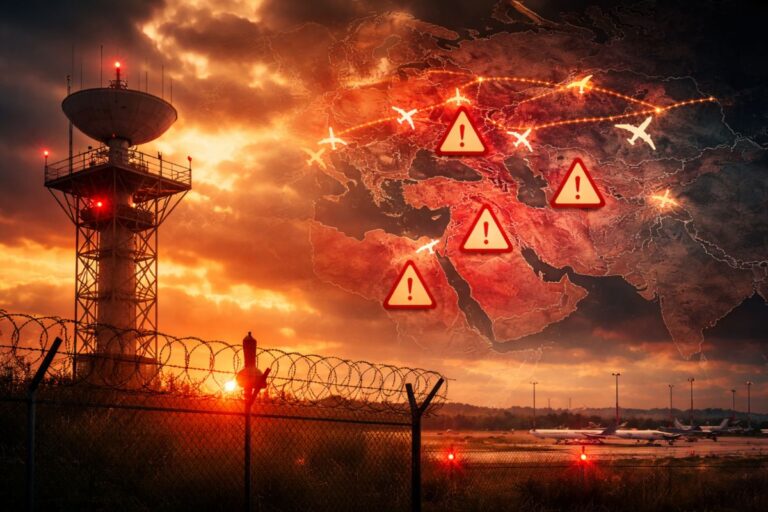
The recent geopolitical tensions sweeping across the Middle East have sent shockwaves through the global aviation industry, creating a complex web of airspace restrictions and travel disruptions that are affecting passengers and airlines around the world. Malaysia has found itself navigating these troubled skies alongside nations including Israel, Iraq, Jordan, Qatar, Bahrain, Kuwait, the UAE, Saudi Arabia, and Syria, all working to overcome serious mobility issues in collaboration with international aviation and tourism authorities. The situation remains fluid and challenging, with new developments emerging almost daily as regional conflicts continue to reshape the map of safe air travel.
At the heart of Malaysia’s involvement in this situation is a careful balancing act between ensuring passenger safety and maintaining diplomatic consistency. Official statements from the Malaysian Ministry of Foreign Affairs, known as Wisma Putra, have confirmed that the nation is closely monitoring developments across the Middle East and providing guidance to Malaysian citizens in the region. However, these statements focus squarely on safety protocols and contingency planning rather than suggesting any formal political alignment with Israel, a country with which Malaysia does not maintain diplomatic relations and continues to criticize on the international stage. This distinction matters because it highlights how operational necessity in aviation does not necessarily translate into political realignment.
The practical impact of this crisis hit home for Malaysian travelers at the end of February when Malaysia Airlines made the difficult decision to temporarily suspend several key routes connecting Kuala Lumpur to Doha, Jeddah, and Madinah. This suspension, which took effect from February 28 through March 1, 2026, came as a direct response to the temporary closure of significant portions of Middle Eastern airspace following escalating regional tensions. The airline’s priority throughout this process has been clear: ensuring the absolute safety of passengers and crew members above all other considerations.
For those passengers whose travel plans were disrupted by these suspensions, Malaysia Airlines has moved quickly to provide support and alternatives. The airline has been proactively contacting affected passengers to discuss their options, which include rebooking their flights for later dates, finding alternative routing through other gateway cities or hub airports, or processing full refunds in accordance with the Malaysian Aviation Consumer Protection Code. The airline has also encouraged passengers to keep their contact information current through the My Booking section of their website, ensuring they receive real-time notifications about any changes to their flight status. For those needing additional assistance, the Global Contact Centre remains available around the clock at 1 300 88 3000 for callers within Malaysia and at +603 7843 3000 for international inquiries.
Interestingly, while flights to Middle Eastern destinations faced suspension, Malaysia Airlines has managed to maintain its services to London Heathrow and Paris Charles de Gaulle, though these long-haul European routes have required significant adjustments. These flights are now being carefully rerouted to avoid the affected Middle Eastern air corridors, demonstrating the airline’s commitment to maintaining connectivity wherever safely possible while navigating around conflict zones. Passengers traveling on these European routes are advised to monitor their bookings closely, as last-minute changes to departure times, gate assignments, or other flight details remain entirely possible given the volatile nature of the situation.
Behind these operational adjustments lies a complex web of regulatory oversight and international coordination. The Civil Aviation Authority of Malaysia has issued multiple advisories reinforcing the absolute priority of safety for all airlines operating in or near the affected regions. Malaysian regulators are maintaining constant communication with international bodies including the International Civil Aviation Organization and the European Union Aviation Safety Agency, ensuring that Malaysia’s responses align with global best practices for managing aviation safety in conflict zones. These advisories also remind airlines of their obligations to keep passengers fully informed of schedule changes and to provide appropriate care and options under national consumer protection laws.
The scale of this aviation crisis extends far beyond Malaysia’s borders, creating ripple effects across the entire global aviation network. Major air hubs throughout the region, including Dubai International Airport, Israel’s Ben Gurion Airport, and various airports across Iran and other Gulf states, have experienced significant operational disruptions. Airlines from dozens of countries across Europe, Asia, and North America have been forced to cancel or fundamentally reroute flights, leading to additional fuel costs, extended flight times, and widespread passenger delays. The situation has stranded thousands of travelers and created cascading effects throughout the international aviation system, with travel insurers and regulators classifying these disruptions as a major event requiring careful attention from all affected passengers.
Countries across Europe and Asia have issued their own guidelines for carriers operating through the region, with the European Union and India, for example, directing their airlines to avoid high-risk airspace. This has resulted in widespread flight cancellations, significant delays, and lengthy diversions, particularly for flights traveling between Europe and Asia that would normally rely on Middle Eastern air corridors for efficient routing. The situation has transformed what were once routine long-haul journeys into complex logistical challenges requiring careful planning and constant adjustment.
For travelers with upcoming plans to or through the Middle East, the current situation demands heightened awareness and flexibility. It has become critically important to monitor flight status regularly through official airline channels and to verify each segment of any journey, especially when connecting through regional hubs. Government travel advisories should be consulted regularly, and travelers should maintain flexible attitudes toward their plans, understanding that last-minute changes may be necessary as the situation evolves. The aviation industry and regulatory authorities worldwide are working diligently to mitigate disruptions and provide alternative solutions, but the fundamental uncertainty created by geopolitical tensions means that travelers must remain vigilant and informed throughout their journeys.